SERVICES
Commercial Pest Control
Pest control for business premises, with attention to activity locations, stock, staff access and day-to-day operations.
GET A FREE QUOTE
Family Owned
33 Years Experience
Established in 1993
Open 24 Hours
What Is Commercial Pest Control?
Residential pest control addresses unwanted pest activity in homes by considering the animal or insect, its harbourage and the resources supporting it. A useful assessment looks beyond the room where someone first noticed a problem. Entry gaps, food storage, damp cupboards and outdoor shelter can all influence what happens inside. On the Gold Coast, detached houses, townhouses and apartments present different access arrangements, particularly where residents share walls or common areas. Householders may seek help after repeated sightings, damaged packaging or recurring activity despite cleaning. Leaving the cause unresolved can allow pests to continue using concealed spaces or moving between adjoining areas. Treatment alone may not correct a leaking pipe, broken screen or accessible food source. The proposed work should therefore explain the target pest, relevant locations and preparation requirements. Children, pets, aquariums and daily routines also affect how occupants prepare for a visit and follow product-specific directions afterwards, including any restrictions on re-entry or cleaning.
Why Choose Termite and Pest Control Information Centre for Commercial Pest Control
Commercial Work Within Our Regional Experience
Our business handles commercial pest concerns on the Gold Coast alongside work throughout South East Queensland. Wayne and Lorraine established that regional business in 1993. For local operators, our commercial work connects their premises with a family whose experience includes the pest challenges businesses face, rather than a business focused only on household jobs.
Care Extending to Working Premises
The Wade family brings the same care and attention to commercial properties that we give our own home. For a business owner, the affected property also contains equipment, stock and places where people work. Our approach keeps those occupied spaces relevant to the discussion of pest activity and the proposed work.
Honest Conversations With Business Owners
Personal service and honest advice formed part of the founders' original purpose. In a commercial setting, owners need to explain what staff have observed and where activity affects daily work. Our family approach provides a direct basis for those conversations, keeping attention on the premises and the practical concern the owner raises.
A Continuing Family Business Relationship
Dan and Luke are taking the reins after growing up learning the trade. Their involvement carries the family's established regional work into its next chapter, including its commercial customers. They combine that background with an interest in modern pest technology while retaining the personal service approach Wayne and Lorraine brought to the business.
What Commercial Pest Control Cover
Commercial pest control can involve accessible work areas, staff amenities, stock storage, waste locations and relevant building entry points. The scope depends on the premises, target pest and evidence of activity. Staff observations, delivery patterns and maintenance records can help identify where attention belongs. Preparation may include protecting food or stock, arranging restricted access and identifying equipment that cannot move. Businesses should discuss any site-specific regulatory or operational requirements before booking, rather than assuming a general pest visit covers specialised premises or every compliance obligation.
Signs You Need Commercial Pest Control
Droppings in stock areas, gnawed packaging, insects appearing around appliances or repeated pest sightings during opening procedures warrant assessment. Staff may also notice damaged door seals, waste-area activity or insects arriving with deliveries. These observations can reveal access or harbourage conditions even before widespread activity becomes obvious. Record where and when evidence appears, including affected goods, without moving contaminated stock through clean areas. A pattern across several rooms may need a broader premises review than a single sighting beside an open external door.
DISCOVER WHAT OUR CUSTOMERS HAVE TO SAY ABOUT US
REVIEWS
our process
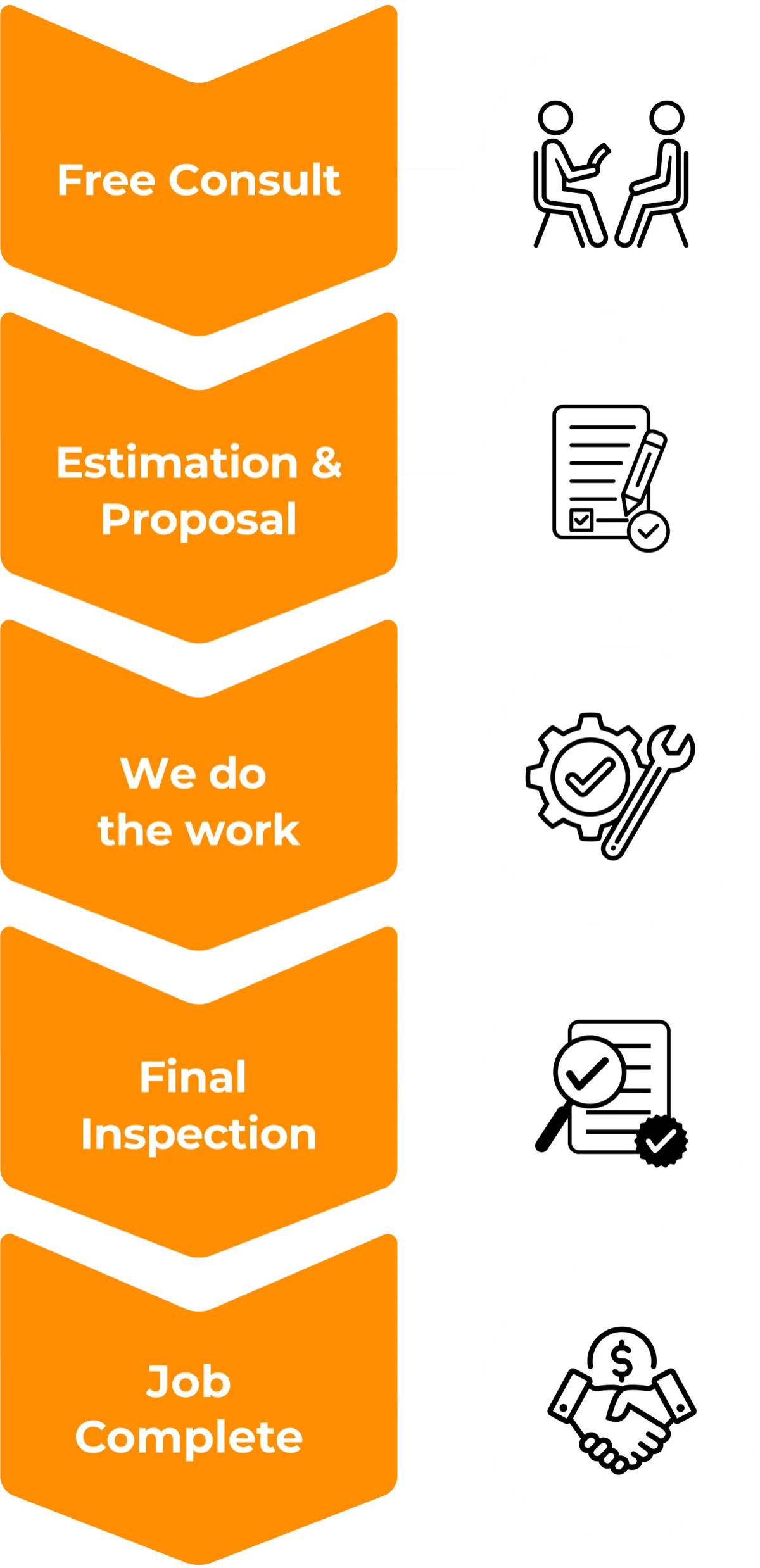
A simple process from first call to finished job.

SERVICE AREAS
proudly serving Gold Coast

FREQUENTLY ASKED QUESTIONS
Your questions answered
Can treatment happen while my business operates?
That depends on the method, affected areas and site requirements. Some work may require a temporary exclusion area or a different appointment time. Explain trading hours, staff movements and restricted areas before booking. Agree on preparation and re-entry directions rather than assuming the whole premises can remain in normal use.
Does pest control replace food-business pest prevention?
No. Food businesses still need suitable hygiene, exclusion and monitoring arrangements. A treatment visit does not replace cleaning, waste handling, stock checks or building repairs. Discuss the food activities and site requirements before booking so the proposed pest work has a clear scope alongside the business's own prevention responsibilities.
What information should staff record before the visit?
Record the date, location and type of evidence, with photographs where practical. Note damaged packaging, sightings and relevant delivery or waste-area activity. Keep observations specific rather than guessing at a pest species. A shared log helps distinguish repeated activity at one point from unrelated events in different parts of the premises.
Should stock and equipment move before treatment?
Confirm the proposed locations first. Some stock may need protection or relocation, while heavy or connected equipment may require a separate access plan. Identify food, electrical equipment and sensitive materials before work starts. Follow site-specific preparation instructions rather than emptying the whole premises or moving machinery without a safe arrangement.
Why might pest activity return after a treatment?
Access gaps, food residues, deliveries or untreated harbourage can continue to support pests. Some methods also require time and further assessment. Record continuing activity and check the instructions before applying other products. Review cleaning and maintenance alongside the treatment findings rather than assuming every later sighting has the same cause.
READY TO take the next step?
get a free quote TODAY!
Termite & Pest Control Information Centre
7 Driftwood Place, PARKWOOD QLD 4214

