SERVICES
Residential Pest Control
Pest control for occupied homes, considering the pest, household routines and the conditions supporting repeated activity.
GET A FREE QUOTE
Family Owned
33 Years Experience
Established in 1993
Open 24 Hours
What Is Residential Pest Control?
Residential pest control addresses unwanted pest activity in homes by considering the animal or insect, its harbourage and the resources supporting it. A useful assessment looks beyond the room where someone first noticed a problem. Entry gaps, food storage, damp cupboards and outdoor shelter can all influence what happens inside. On the Gold Coast, detached houses, townhouses and apartments present different access arrangements, particularly where residents share walls or common areas. Householders may seek help after repeated sightings, damaged packaging or recurring activity despite cleaning. Leaving the cause unresolved can allow pests to continue using concealed spaces or moving between adjoining areas. Treatment alone may not correct a leaking pipe, broken screen or accessible food source. The proposed work should therefore explain the target pest, relevant locations and preparation requirements. Children, pets, aquariums and daily routines also affect how occupants prepare for a visit and follow product-specific directions afterwards, including any restrictions on re-entry or cleaning.
Why Choose Termite and Pest Control Information Centre for Residential Pest Control
A Business Founded Around Family Safety
Wayne and Lorraine started the business with a commitment to protecting local homes and family safety. That purpose remains relevant in occupied houses, where children play, pets rest and people prepare food. Our residential work sits within that original family focus, with care for the property extending to the people who use it daily.
Personal Attention to Household Concerns
Our founders placed personal service and honest advice at the centre of the business. For householders, a pest concern may involve a particular cupboard, a recurring kitchen sighting or uncertainty about where activity starts. Our family approach gives those observations a place in the discussion rather than reducing the home to another job ticket.
Established in the Region We Serve
We operate from Parkwood and have worked across South East Queensland since 1993. That local foundation matters to Gold Coast residents looking for a business with a continuing regional presence. Our residential pest work forms part of the family's longstanding role in protecting homes across the coast and surrounding communities.
Family Continuity as Homes Change
Dan and Luke grew up learning the trade and are now leading the company's next chapter. Their involvement carries forward the family's knowledge while introducing an interest in modern pest technology. For household customers, that transition keeps residential property care within the family as building types, living arrangements and pest management methods develop.

What Residential Pest Control Cover
Residential pest control can address activity in kitchens, bathrooms, living spaces, storage areas and relevant external locations. The scope depends on the identified pest, evidence and accessible harbourage rather than a fixed application to every surface. Household preparation, pet arrangements and any shared building access need discussion before the visit. Owners should also identify maintenance matters such as damaged screens, leaking taps or food storage that may support recurrence. Product and location-specific instructions determine re-entry and cleaning requirements after the work.
Signs You Need Residential Pest Control
Repeated insects in cupboards, droppings near stored food, gnawed packaging or concentrated activity around pet resting areas justify investigation. Fresh webs in frequently used spaces and pests emerging from gaps can also identify locations needing attention. One unidentified insect does not establish a large infestation, so photographs and dated observations help explain the pattern. If activity returns after repeated cleaning, consider concealed food, moisture or shelter rather than simply cleaning harder. Note affected rooms and recent changes such as deliveries, stored furniture or new leaks.
DISCOVER WHAT OUR CUSTOMERS HAVE TO SAY ABOUT US
REVIEWS
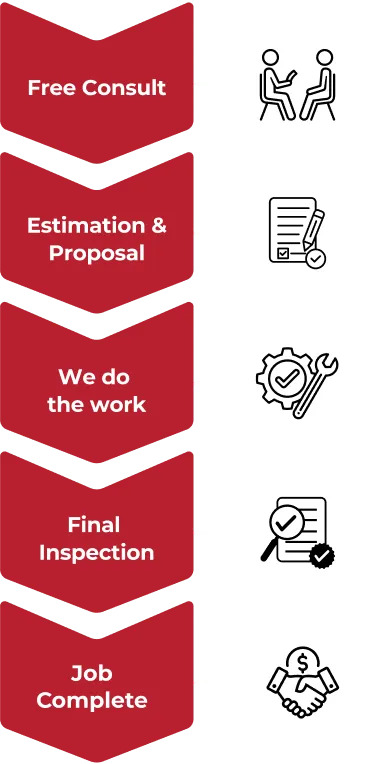
our process
A simple process from first call to finished job.

SERVICE AREAS
proudly serving Gold Coast

FREQUENTLY ASKED QUESTIONS
Your questions answered
Do I need to leave home during treatment?
That depends on the product, application method and treatment areas. Some work requires occupants and animals to leave or avoid particular locations. Obtain the instructions before the appointment and arrange household access around them. Do not use a general waiting period from another treatment as a substitute for the directions provided.
Can pest control take place when I have pets?
Explain which animals live at the property and where they normally stay. Dogs, cats, birds, fish and other animals can require different arrangements. Follow instructions for relocation, bowls, bedding and return access. Ask about any setup the preparation advice does not cover before application begins rather than improvising precautions.
Why do pests return even when my home is clean?
Pests may use concealed harbourage, leaks, entry gaps or adjoining areas that ordinary cleaning does not address. Some also arrive with goods or belongings. Cleanliness remains useful, but repeated activity needs assessment of the pest and its resources. The location and timing of sightings can help identify those contributing conditions.
Should I empty every cupboard before the visit?
Only follow the preparation requirements for the proposed work. The technician may need access to particular cupboards or appliance areas rather than every storage space. Confirm food, utensils and household item arrangements beforehand. Avoid moving heavy appliances or furniture without a safe plan and a clear reason for doing so.
Can a unit need coordination with the building manager?
Yes. Shared walls, service routes and common areas can affect access and the source of recurring activity. Explain whether the problem occurs only inside your unit or also in shared spaces. Building management may need to coordinate common-area access or related maintenance without assuming every neighbouring property has the same problem.
READY TO take the next step?
get a free quote TODAY!
Termite & Pest Control Information Centre
7 Driftwood Place, PARKWOOD QLD 4214

