
SERVICES
Spider Control
Spider control for occupied properties, considering the species, web locations and how people use the affected spaces.
GET A FREE QUOTE
Family Owned
33 Years Experience
Established in 1993
Open 24 Hours
What Is Spider Control?
Spider control addresses unwanted spider activity where it conflicts with the use of a property. It begins with considering the spider, its location and the habitat that supports it. Not every spider builds a capture web, and not every web beside a building represents the same concern. Gold Coast homes can provide sheltered gaps around outdoor furniture, garages, sheds and eaves, while insects attracted to lighting can provide prey. Owners commonly seek help when webs repeatedly occupy doorways, spiders appear in stored items or activity occurs near areas children use. Leaving clutter and harbourage unchanged can allow spiders to continue using those spaces even after visible webs disappear. Appropriate management depends on identification, access and the particular situation rather than indiscriminate spraying of every garden surface. Occupants should avoid handling unidentified spiders and should discuss outdoor living areas, pets and sensitive locations before work. Ongoing observation helps distinguish fresh activity from old silk left in a sheltered corner.
Why Choose Termite and Pest Control Information Centre FOR Spider Control
Family Care in Frequently Used Spaces
Wayne and Lorraine built the business around protecting local homes and family safety. Spider concerns often involve the places people reach, sit or store belongings rather than the garden as a whole. Our family purpose gives those everyday uses a place in the conversation about the affected rooms, furniture and outdoor living areas.
A Local Base for Coastal Households
We operate from Parkwood and work across the Gold Coast. Our family's connection to the region dates back to the business's beginnings in 1993. For customers concerned about spiders around sheds, garages or outdoor areas, that local base provides a continuing regional contact while they explain where activity affects their property.
An Established Spider Control Service
Spider control forms part of our work alongside pest management for both homes and businesses. That service focus means customers can raise the specific location and pattern they have observed. Our wider property care approach keeps attention on the use of those spaces rather than treating an occupied workplace and a private garden as identical.
Personal Advice Across Generations
Dan and Luke grew up learning the trade within the family business and now help lead its future. They carry forward the founders' emphasis on honest advice and personal attention. For spider control customers, that continuity keeps conversations about household concerns within the family approach while the next generation develops the business.

What Spider Control Covers
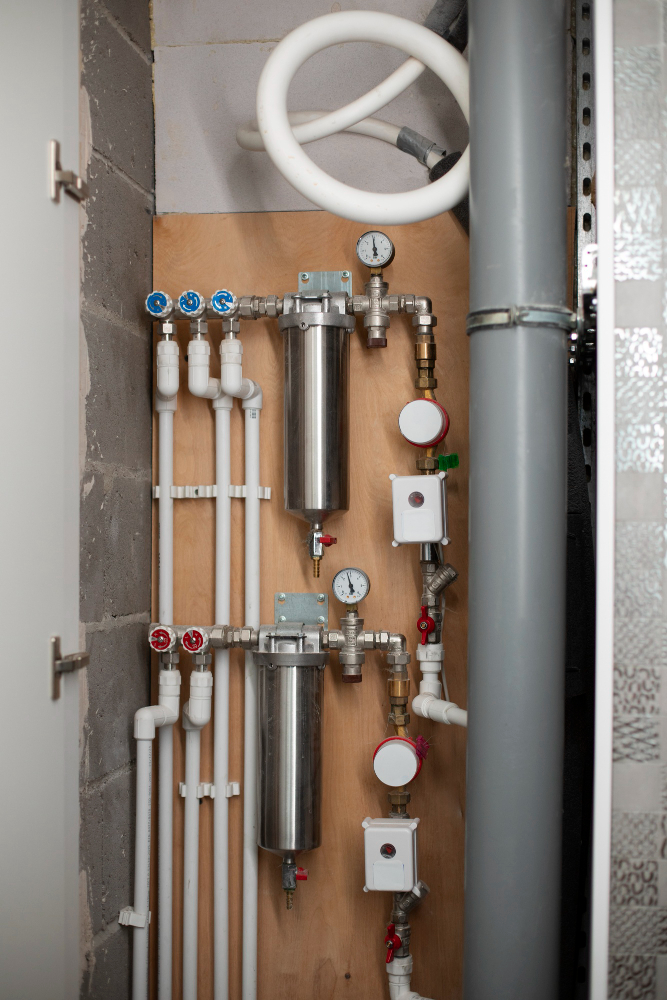
Spider control can concern activity around accessible eaves, garages, sheds, external furniture and affected indoor locations. The scope depends on the species, harbourage and areas people need to use. An assessment can consider fresh webs, egg sacs, concealed retreats and the insects that provide prey. Owners should discuss whether web removal forms part of the work and when cleaning can occur. Not all garden spiders need treatment, and no application can prevent every wandering spider from entering a property in the future.
Signs You Need Spider Control
Fresh webs repeatedly across doors or walkways, egg sacs beneath furniture and spiders occupying stored outdoor items can identify locations needing attention. Activity around children's equipment or frequently handled storage warrants particular care. A lone wandering spider presents a different situation from repeated sheltered web-building. Photograph the location from a safe distance rather than reaching into a retreat. Old empty webs alone do not establish current activity, so note whether new silk or spiders reappear after the area has previously been cleaned.
DISCOVER WHAT OUR CUSTOMERS HAVE TO SAY ABOUT US
REVIEWS
our process
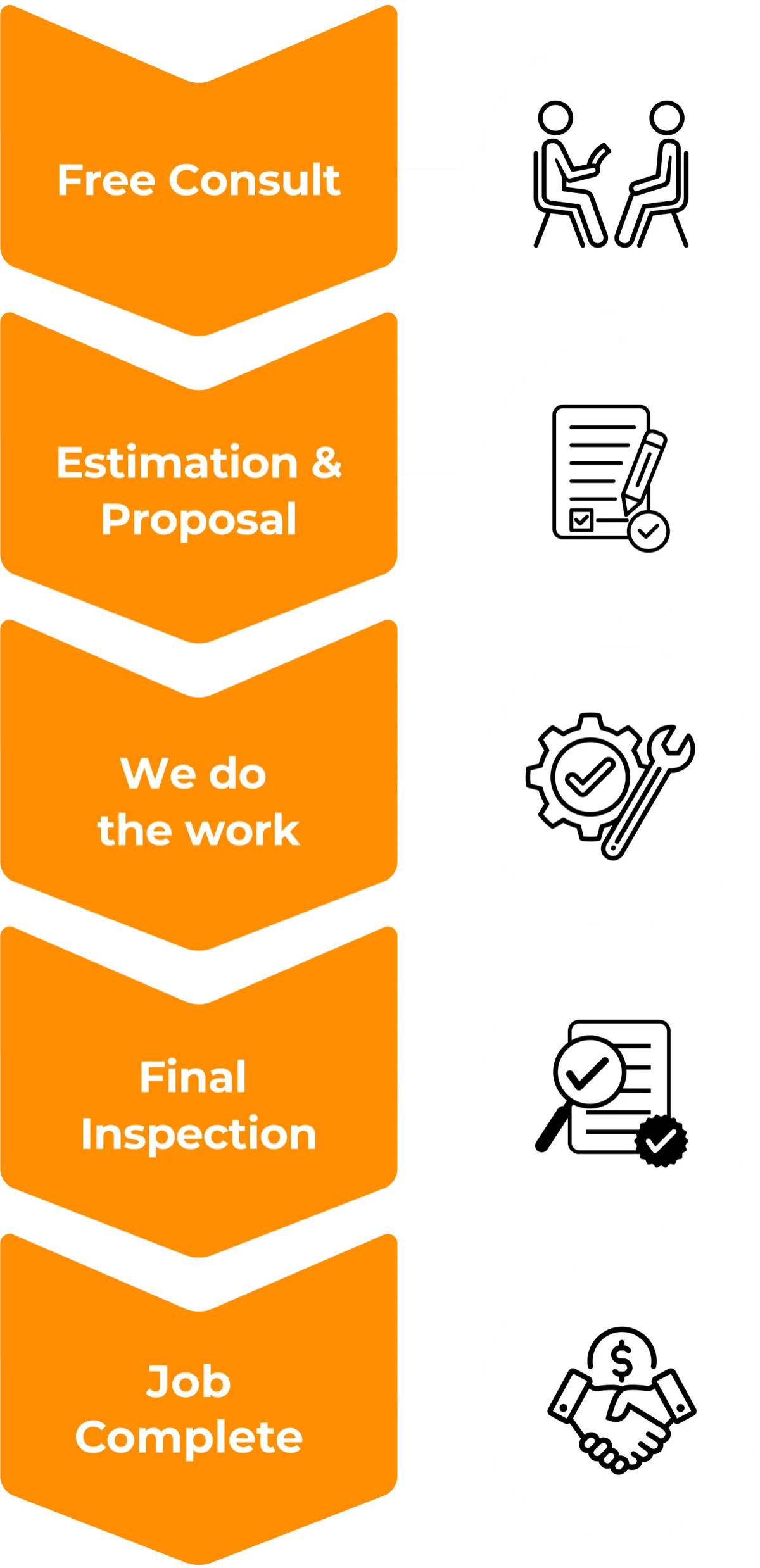
A simple process from first call to finished job.

SERVICE AREAS
proudly serving Gold Coast

FREQUENTLY ASKED QUESTIONS
Your questions answered
Does every spider around the house need treatment?
No. Many spiders play a useful role by feeding on insects, and location matters as much as presence. A garden web away from normal activity differs from a retreat beneath a frequently used chair. Identify the concern and affected space before deciding whether treatment, cleaning or habitat changes are appropriate.
Why do spiders keep returning around outdoor lights?
Lights can attract insects that provide food for spiders. Sheltered ledges and nearby gaps may also offer suitable retreats. The pattern needs consideration of prey and harbourage as well as visible webs. Changes to the surrounding conditions may help alongside any treatment appropriate to the identified activity and location.
Should I remove webs before the appointment?
Ask first. The existing web and its position may help explain the activity, while a treatment method may require a particular cleaning sequence. Avoid handling spiders or reaching into hidden retreats. Record affected locations and follow the agreed instructions rather than removing every trace before the property receives assessment.
Will spider control stop every spider entering my home?
No method can establish that no spider will enter again. Wandering spiders can arrive through open access, while harbourage and insect prey influence recurrence. The work should address an identified concern within an agreed scope. Maintaining screens, reducing clutter and following relevant advice help manage the conditions around occupied spaces.
Can a photograph help identify the spider?
A clear photograph can help, but it may not show all features needed for a reliable identification. Take it from a safe position without touching or trapping the spider by hand. Include the web or surrounding location where possible. Uncertainty should remain explicit rather than assigning a species from a poor image.
READY TO take the next step?
get a free quote TODAY!

Termite & Pest Control Information Centre
7 Driftwood Place, PARKWOOD QLD 4214

