
SERVICES
Rodent Control
Rodent control for introduced rats and mice, considering nesting evidence, food sources and access to occupied buildings.
GET A FREE QUOTE
Family Owned
33 Years Experience
Established in 1993
Open 24 Hours
What Is Rodent Control?
Rodent control addresses introduced rats or mice by considering the animal, its shelter and the resources supporting its presence. An assessment looks at evidence such as droppings, gnawing, damaged food packaging and movement routes rather than relying on noise alone. Roof rats, ground-dwelling brown rats and house mice can use different parts of a property, so the location affects what needs examination. Gold Coast owners may notice scratching above ceilings, activity near sheds or repeated damage in kitchens and stockrooms. If access and food remain available, removing a visible animal may leave the conditions for further activity unchanged. Appropriate methods depend on identification, building access and the presence of pets or wildlife. Exclusion also needs sequencing so closing an opening does not trap an animal inside. Owners should describe sightings and contaminated areas before disturbing them. Pest control and building repairs serve different purposes, and addressing an infestation does not repair damaged wiring, packaging or other materials the animals have affected.
Why Choose Termite and Pest Control Information Centre FOR Rodent Control
Rodent Work for Different Occupied Properties
We provide rodent control for homes and commercial premises as part of our regional pest work. That range matters because a household ceiling concern and damaged business stock involve different property uses. Customers can explain the evidence and affected areas within a service category that already forms part of our business.
A Regional Family Presence
Our family operates from Parkwood and has worked in South East Queensland since 1993. For Gold Coast owners dealing with rats or mice, that local foundation connects the concern with a longstanding regional business. Wayne and Lorraine's original commitment to protecting local properties continues as the next generation takes the reins.
Care Beyond the Visible Animal
Our family brings the same care to customer properties that we give our own home. Rodent concerns often involve more than a brief sighting: occupants may worry about stored food, belongings or noises around sleeping areas. Our personal service approach keeps those practical concerns part of the conversation about the affected premises.
Honest Discussion of What You Have Noticed
Honest advice formed part of the founders' purpose from the beginning. That approach matters when scratching noises or a fleeting sighting leave the animal's identity uncertain. Our family business keeps attention on what the customer has actually observed, giving their records and property history a place in the discussion rather than relying on a guess.


What Rodent Control Covers
Rodent control considers identified rats or mice, accessible shelter, travel routes and available resources. Assessment may concern roof access, kitchen gaps, external storage, waste areas or other places where evidence occurs. Appropriate trapping or baiting depends on the site and non-target animals, and entry repairs need a suitable sequence. Owners should discuss monitoring, access and any contamination separately from ordinary cleaning. The agreed work does not automatically include wildlife handling, electrical repairs or restoration of damaged stock and building materials.
Signs You Need Rodent Control
Fresh droppings, gnawed packets, greasy movement marks and repeated scratching can signal activity requiring assessment. Burrows near structures or repeated sightings around stored feed add useful location evidence. Roof noises do not prove rats because other animals can also use ceiling spaces. Photograph signs from safe areas and record timing rather than entering a roof space to investigate. Where food packaging shows damage or contamination, separate the affected goods appropriately and seek relevant guidance instead of assuming the visible damage shows the full extent.
DISCOVER WHAT OUR CUSTOMERS HAVE TO SAY ABOUT US
REVIEWS
our process
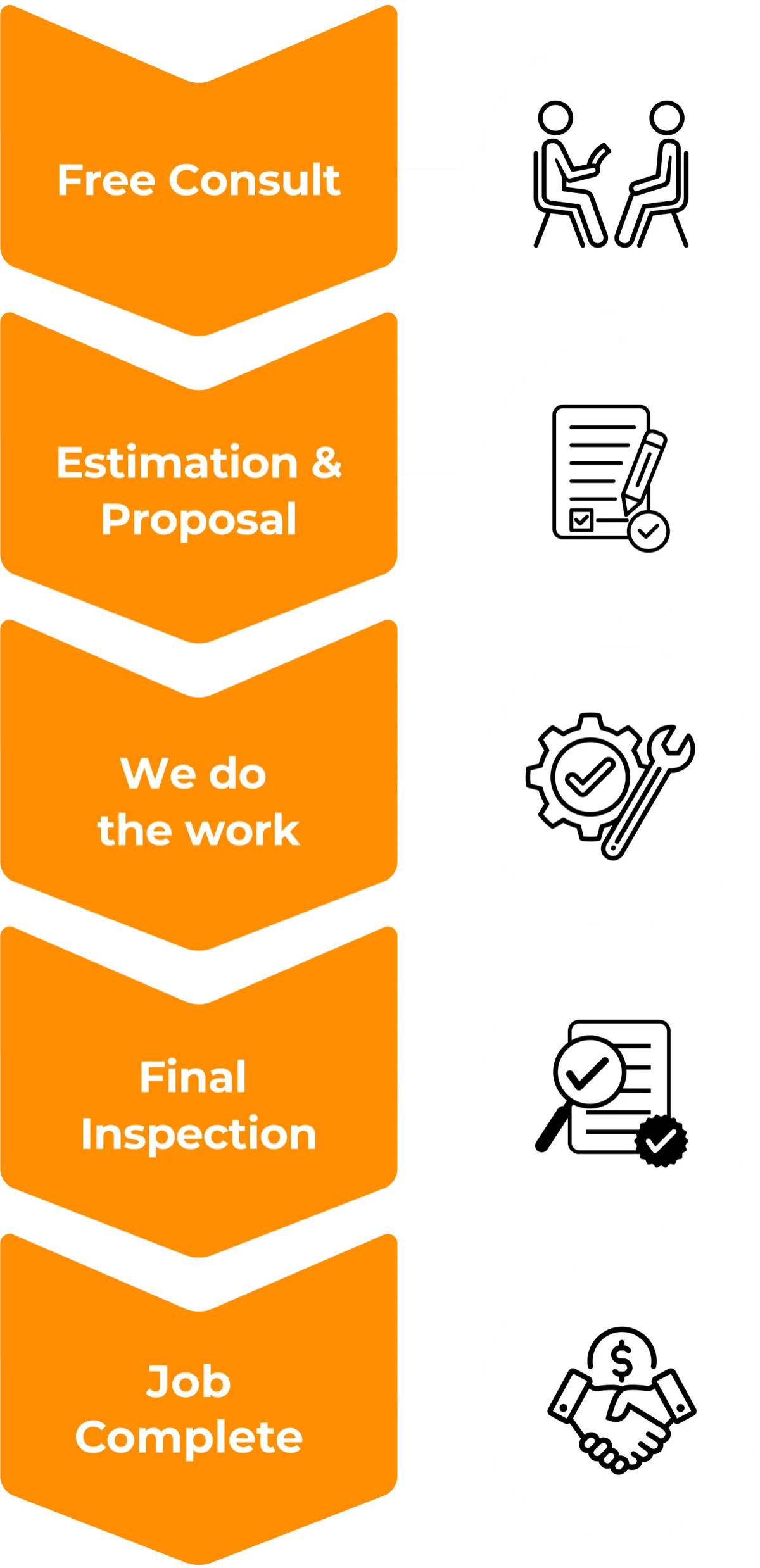
A simple process from first call to finished job.

SERVICE AREAS
proudly serving Gold Coast

FREQUENTLY ASKED QUESTIONS
Your questions answered
Are scratching noises in the roof definitely rats?
No. Rats can use roof spaces, but possums and other animals may also make noise there. Location and timing help, but identification needs supporting evidence. Record what you hear and any safe observations without entering the roof. The animal's identity affects suitable control and whether a wildlife response is needed.
Should I seal the hole where I think rodents enter?
Identify the activity and plan the sequence before closing an active route. Sealing an opening while animals remain inside can create another problem. Assessment should consider existing occupants, alternative access and the appropriate repair material. Exclusion supports control, but immediate closure is not automatically the right first step.
Can rodent treatment affect pets or wildlife?
Traps and rodent products need placement and use that account for non-target animals. Explain pets, children and nearby wildlife before choosing a method. Follow access restrictions and avoid moving devices or products yourself. Product selection, secure placement and continuing assessment all depend on the property rather than a universal arrangement.
How should I deal with droppings before the visit?
Record the location without handling droppings or stirring dust into the air. The cleaning approach depends on the material, extent and use of the affected space. Obtain suitable instructions rather than treating contamination as ordinary household dirt. Do not move contaminated belongings through clean areas merely to make the evidence disappear.
Will removing food alone resolve a rodent problem?
Reducing food access helps, but rodents may still have shelter, water or alternative food nearby. A nest or building entry can remain after a visible resource disappears. Assessment should connect those conditions with current evidence. Combine suitable property changes with the agreed control approach rather than relying on one isolated action.
READY TO take the next step?
get a free quote TODAY!

Termite & Pest Control Information Centre
7 Driftwood Place, PARKWOOD QLD 4214

